HOLLA's appeal is easy to understand: you're on your phone, you want company, and a live face-to-face conversation feels more interesting than scrolling. The service focuses on spontaneous one-on-one video chat with people worldwide. But not every user wants the same balance of surprise, matching control, paid extras and longer-term friendship.
Quick answer: Choose Azar for international chats with translated subtitles, LivU for an app-style social and friendship experience, Tumile for translated messages and visual effects, or Monkey for rapid social video matching. Chatroulette and Chatrandom are practical browser-led alternatives to try if you don't need the full mobile-app experience. YOYO is worth a look when you want a more social approach to live conversations rather than a direct copy of HOLLA's random-chat loop.
HOLLA alternatives: what actually changes?
| Option | Best reason to try it | Typical starting experience | Main limitation to consider |
|---|---|---|---|
| YOYO | More deliberate social connection | Explore current social/video flow | Different access rules than random roulette |
| Azar | Multilingual calls | International video matching | Translation and preferences vary by device |
| LivU | Mobile social discovery | Video matching and friendship features | In-app extras and costs |
| Tumile | Translation and filters | App-centered live video chat | Premium actions may use coins |
| Monkey | Instant social discovery | Spontaneous video matching | Sign-in and quick-match pace |
| Chatroulette | Less app setup | Browser random video chat | Less control over who appears next |
| Chatrandom | Multiple chat sections | Browser random, local and themed chat | Advanced matching filters are often Plus |
These are different solutions to the same broad goal — meeting people through live conversation. They should not be treated as feature-for-feature replacements.
Before switching: what does HOLLA offer?
HOLLA's current website promotes fast random one-on-one video chats, international connections and basic free video access. Its published terms also describe in-platform coins and subscriptions, including automatic renewal rules for certain purchases. That means a free basic match and a free advanced preference are not necessarily the same thing.
It is also worth asking whether you really want a new app. If HOLLA's matching works but a single paid filter is the problem, compare the cost of that exact feature against alternatives. If you simply dislike the high-turnover nature of random chats, a second fast matching app may feel much the same. And if you're struggling with conversations across language barriers, a service's translation method may matter more than its headline number of users.
1. YOYO — for moving from quick encounters toward social conversations
YOYO offers a different direction for people who love the idea of meeting others on camera but feel tired of treating every introduction as disposable. A social or friend-oriented video experience can be a better fit when your goal is to recognize the same person again, learn about their life and build familiarity over several conversations.
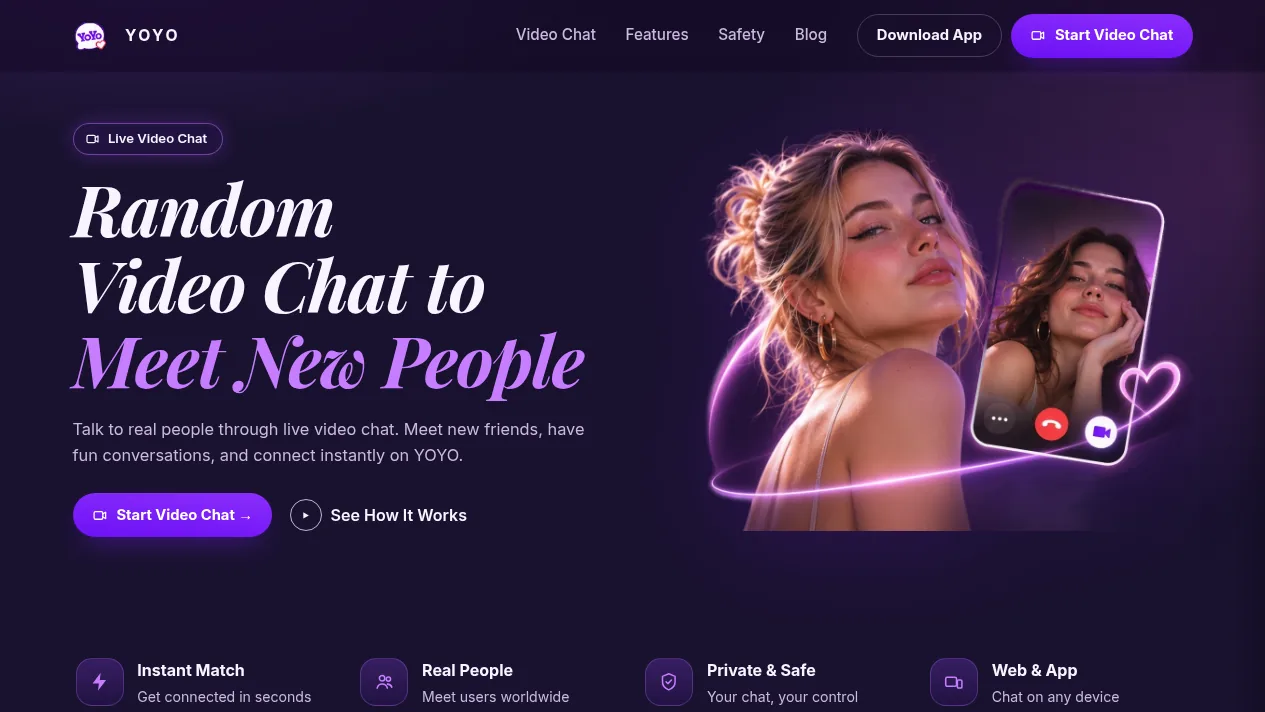
Be precise about the difference. YOYO should not be described as another anonymous HOLLA clone: its mobile app notes describe friend-based interactions rather than random anonymous calls. Explore its current Web experience separately and confirm how connecting, signing in and calling work before assuming any matching feature is available.
Best for: people seeking a different social rhythm. Consider something else if: you specifically want an endless queue of unknown callers with a Next button.
Explore YOYO and see the YOYO Web walkthrough.
2. Azar — for crossing language barriers with subtitles
Azar is especially relevant if the most memorable HOLLA calls are conversations with people in other countries. Azar's help documentation explains a live translation feature: it transcribes speech, translates the text and displays subtitles in the chosen language. Availability and processing details can vary by operating system and device.
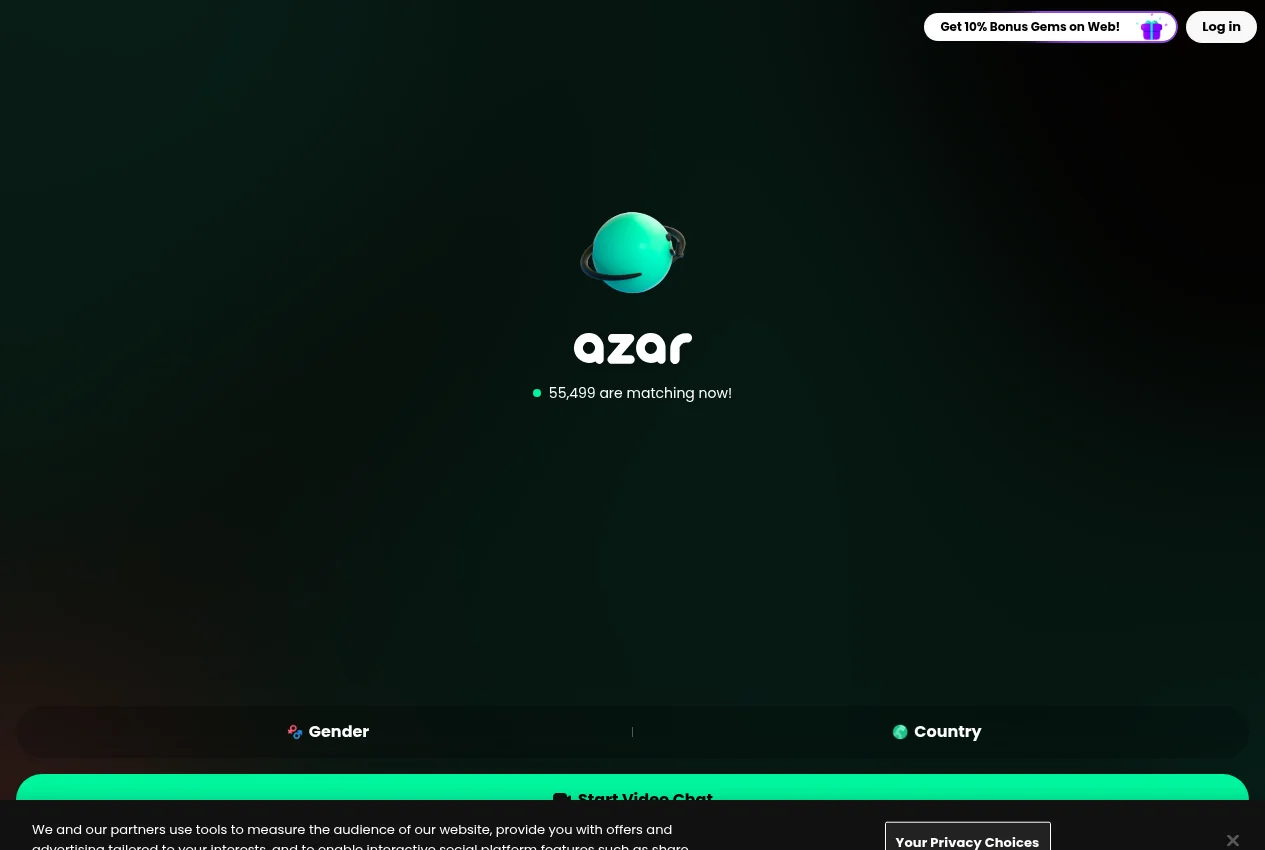
That matters because not all “translation” features are equally useful. A text-message translator helps if you regularly type short responses. Translated subtitles may help when you want to keep speaking naturally and follow the meaning as the other person talks. Neither is perfect: names, slang and regional expressions can still get lost.
Best for: language exchange and conversations across borders. Trade-off: don't assume every translation or matching option is included without payment in every region.
3. LivU — for a familiar app-first social experience
LivU markets itself around meeting new people via video chat, friend matching and virtual gifts. Its support materials discuss in-app translation and matching users from nearby regions or around the world. If you like HOLLA's social-app feel but want another interface and community, LivU is a logical comparison.
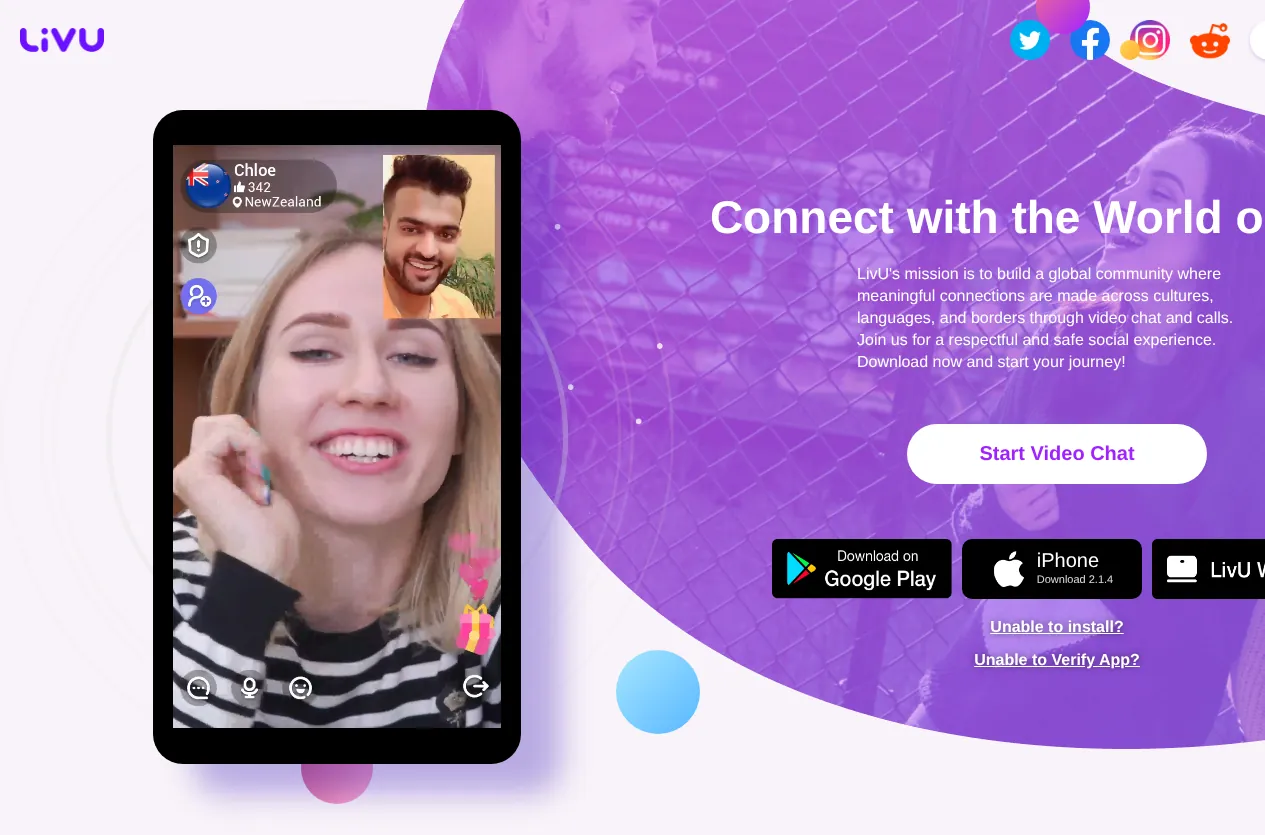
The question to ask isn't “Which app has more colorful features?” It's “Can I have the type of conversation I want without constantly interrupting it to buy something?” Spend a short session learning the flow, then look at any wallet, premium filters or gifts before paying. A feature is useful only if you would use it after the novelty wears off.
Best for: users comfortable with mobile-first social products. Trade-off: if you want a completely browser-based experience, this is not the most obvious first pick.
4. Tumile — for message translation and playful video effects
Tumile's official listing describes direct video calls, instant translation of chat messages, visual filters and stickers. It also says some premium features require coins. That makes it appealing to people who enjoy the expressive side of HOLLA-style conversations and want help communicating with international users.
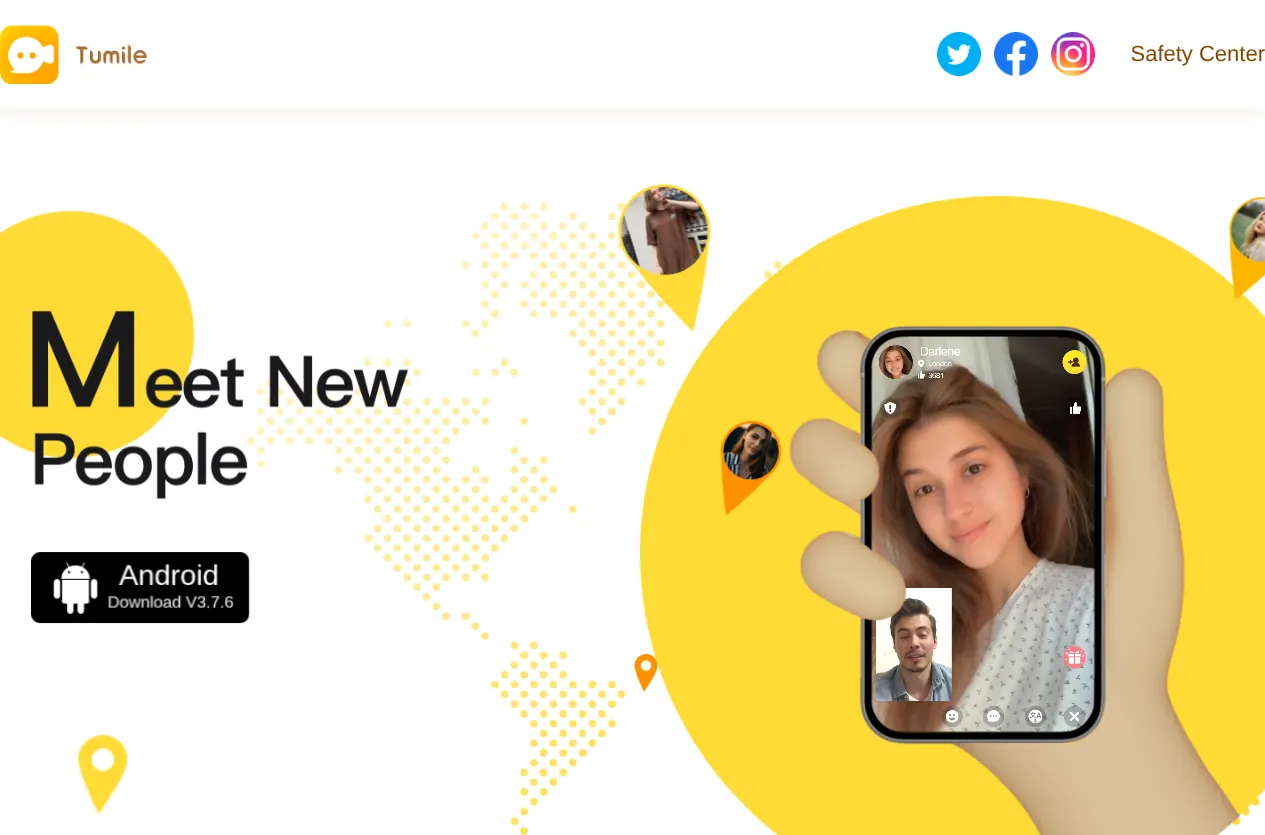
The strongest reason to try Tumile is not a generic claim that it has “better matching.” It's the combination of messaging assistance and on-screen effects. If your conversation often involves typing because you don't share a first language, translated messages can make it easier to keep talking. If you're primarily trying to avoid in-app spending, check the coin rules first.
Best for: playful, cross-language mobile chat. Trade-off: coins and paid features can still be part of the experience.
5. Monkey — for fast, spontaneous discovery
Monkey is another option for people who want to open a service and meet someone new quickly. Its site emphasizes spontaneous live video matching, and its current access information includes the Web plus supported mobile options. It also describes a sign-in step rather than a fully anonymous, no-account start.

This is a good alternative if the surprise of a new conversation is the most important part of HOLLA. It is less relevant if you're looking for deep language tools or a way to avoid rapid matching altogether. A different name on the screen doesn't automatically change the dynamics of a fast random queue.
Best for: curious users who enjoy brief, unexpected encounters. Trade-off: fast matching, sign-in and moderation rules may not fit everyone's expectations.
6. Chatroulette — for straightforward video chat in a browser
Chatroulette is a useful contrast to HOLLA because the browser experience is central. Its current site advertises free one-on-one random video chat and mobile options, plus its own moderation and optional virtual-currency mechanisms.
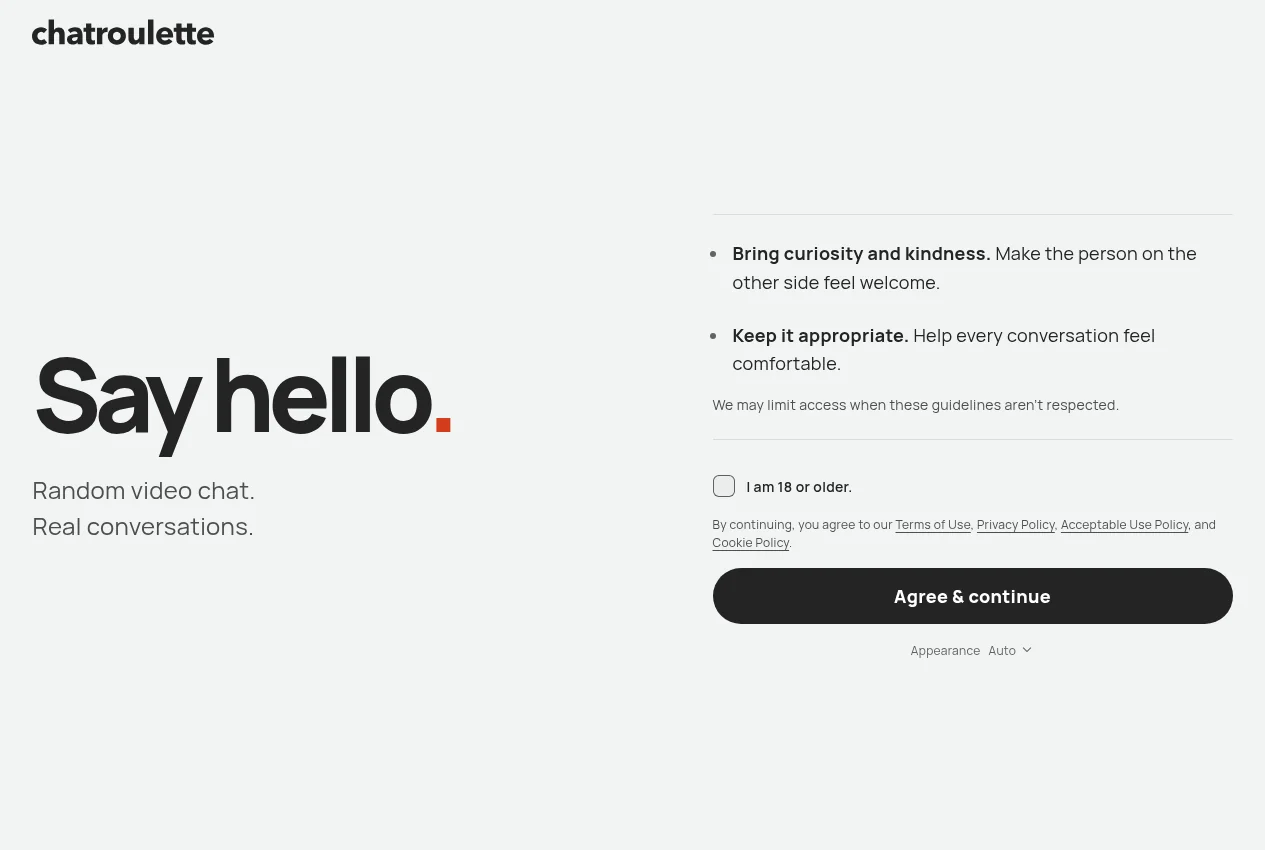
A browser-first service can be convenient when you're chatting on a laptop, trying a new platform without downloading another app or deciding whether random video chat is even your thing. But if you're leaving HOLLA because conversations never last long enough, the basic Chatroulette format may reproduce that problem.
Best for: trying random video chat with minimal app commitment. Trade-off: the next stranger is still unpredictable.
7. Chatrandom — for choosing a broader chat category
Chatrandom separates its experience into Random Chat, Local Chat, Gay Chat and Chat Rooms. That's a meaningful distinction from platforms that present a single global matching queue. It can help you start in an environment that better matches the kind of interaction you're seeking.
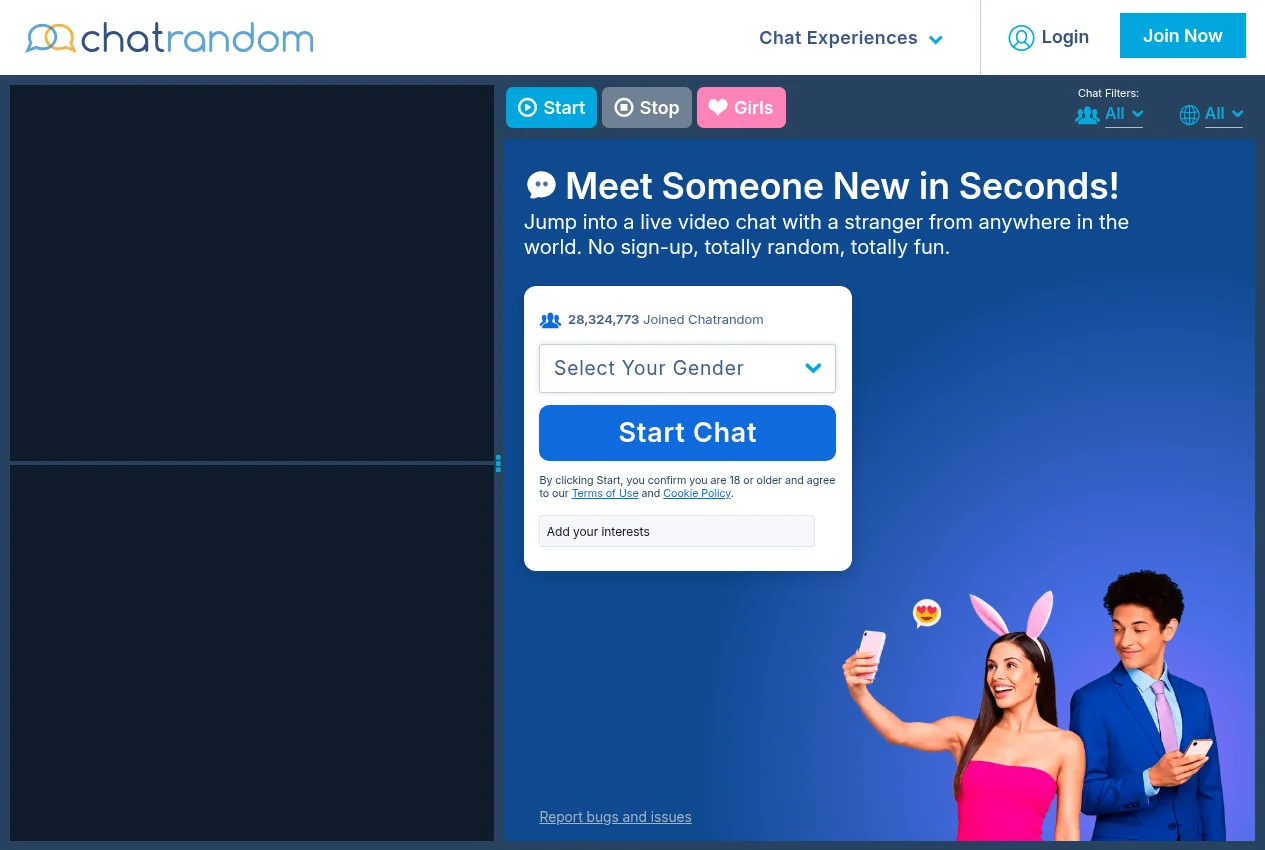
Its Help Center says basic random chat is free and usually accessible to guests, while Plus expands access to filters and other benefits. If you're switching away from HOLLA to avoid paying for specific preferences, compare that detail carefully before moving. The existence of a “country” option doesn't tell you whether using it costs extra.
Best for: choosing among distinct random-chat spaces. Trade-off: premium controls may still be a factor.
The real difference: instant matching versus ongoing connection
There's a simple way to understand this market. Instant matching answers the question “Who can I talk to right now?” A more social experience asks “Who do I want to keep talking to?” The first rewards variety, surprise and quick starts. The second can reward continuity, but may require more effort to connect and maintain a relationship.
Neither is automatically superior. When you're on a short break, an unpredictable five-minute chat may be ideal. When you want to learn about another culture or make a lasting online friend, a repeat conversation may be more satisfying than ten new introductions.
Try this experiment during one week: use a fast random service once when you have ten minutes, then try a more deliberate social option on a day when you have half an hour. Compare your experience afterward. Did you feel entertained, drained, curious or interested in reconnecting? That is a better measure than simply counting matches.
How to compare prices without surprises
Before upgrading any app, read the actual purchase screen and answer these questions: Is the payment for time, a filter, a gift or a subscription? Does the subscription renew? If you buy coins, when are they spent and can they expire? Is cancellation handled inside the app or through the app store?
HOLLA's published terms specifically describe coins and recurring subscriptions; that is a useful reminder to check terms everywhere, not a reason to single HOLLA out as unusual. Tumile also describes paid coin features. The useful comparison is what your own preferred behavior costs on each platform.
Read our free versus paid video chat guide for a more detailed way to evaluate spending.
Frequently asked questions
Is HOLLA free to use?
HOLLA advertises basic random video chat without charge. Its terms also describe paid coins and subscription options, so advanced features are not necessarily free.
Which HOLLA alternative is good for international calls?
Azar is a strong candidate if translated speech subtitles matter. LivU and Tumile also describe in-app translation-related capabilities, though the method and availability differ.
Can I use a HOLLA alternative without installing an app?
Yes. Chatroulette and Chatrandom are both browser-accessible random chat services. You can also explore YOYO on the Web, although its current experience differs from classic random matching.
Which apps have a similar quick-match feeling?
Monkey, Tumile and some LivU flows are closer to the mobile social-video category. Chatroulette and Chatrandom offer fast browser random conversations.
Is YOYO a direct substitute for HOLLA's random matching?
Not necessarily. YOYO's social interaction rules and features differ, especially on mobile. Check the current Web experience instead of assuming the same anonymous matching flow.
Are all random video chat apps safe?
No platform can guarantee every stranger will behave well. Use reporting tools, avoid sharing identifying details and leave if a conversation feels inappropriate or pressured. Follow each platform's age and conduct rules.
The bottom line
If HOLLA already gives you enjoyable spontaneous conversations, there may be no reason to replace it. If translation is the missing piece, start with Azar; if you want a similar app-led social experience, compare LivU or Tumile; if you want a fast browser alternative, try Chatroulette or Chatrandom. If you're ready to explore a more connection-led experience, visit YOYO and see whether its current flow suits the way you actually want to talk.
You can also read video chat with translation and how one-on-one video chat works before picking a platform.